ThyrOxy
Herald Therapeutics was built on a fundamental scientific discovery: patients with Acute Respiratory Distress Syndrome (ARDS) suffer from severe lung tissue deficiency of the active thyroid hormone, T3.
Herald's founders recognized that replenishing lung T3 could simultaneously address multiple drivers of ARDS pathology: edema resorption, inflammation and injury recovery, surfactant synthesis, cytoprotection, and fibrosis prevention.
Our focus is on translating well-established thyroid hormone biology into innovative therapeutics capable of addressing complex diseases with significant unmet medical need.
Hormone replacement for the lung
ThyrOxy™ is a novel, patented formulation of T3 that enables targeted delivery directly to the lungs to restore normal lung and heart function. The active ingredient of ThyrOxy is liothyronine, a synthetic form of T3 that has been FDA-approved and safely used for decades.
Targeted lung delivery
While oral and intravenous formulations of T3 are available, systemic delivery results in low lung concentrations and high blood concentrations, which can cause cardiac arrhythmias.
To maximize therapeutic benefit, ThyrOxy delivers T3 directly to the lungs, minimizing blood levels and avoiding the side effects associated with systemic administration.
6 Mechanisms of Action
Thyroid hormone T3 has at least six mechanisms of action in the lung for homeostasis, repair, and recovery. Lung-delivered T3 increases fluid clearance and reduces lung inflammation and injury in a rat model of ARDS.

Reducing Lung Inflammation
In an acute lung injury model in rats, hyperoxia reduced serum T3 levels by 65% and increased lung MPO activity, BALF protein, and nucleated cells more than threefold compared with room air. Treatment with T3 reduced these inflammatory markers by ~40% and significantly lowered macrophage levels in BALF.
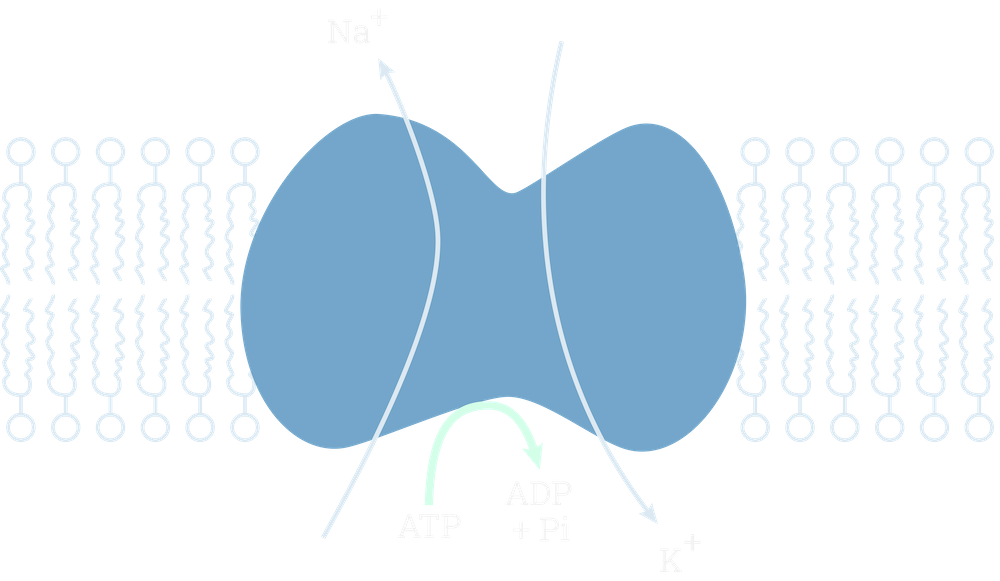
Na-K-ATPase Pump Stimulation
T3 rapidly stimulates clearance of pulmonary edema fluid—even in the injured lung. T3 specifically stimulates Na-K-ATPase pump activity in alveolar (airspace) of the lung to clear water. The upregulation involves translocation of Na-K-ATPase to plasma membrane, not increased gene transcription. This is a novel transcriptional mechanism for regulation of Na/K-ATPase by thyroid hormone.